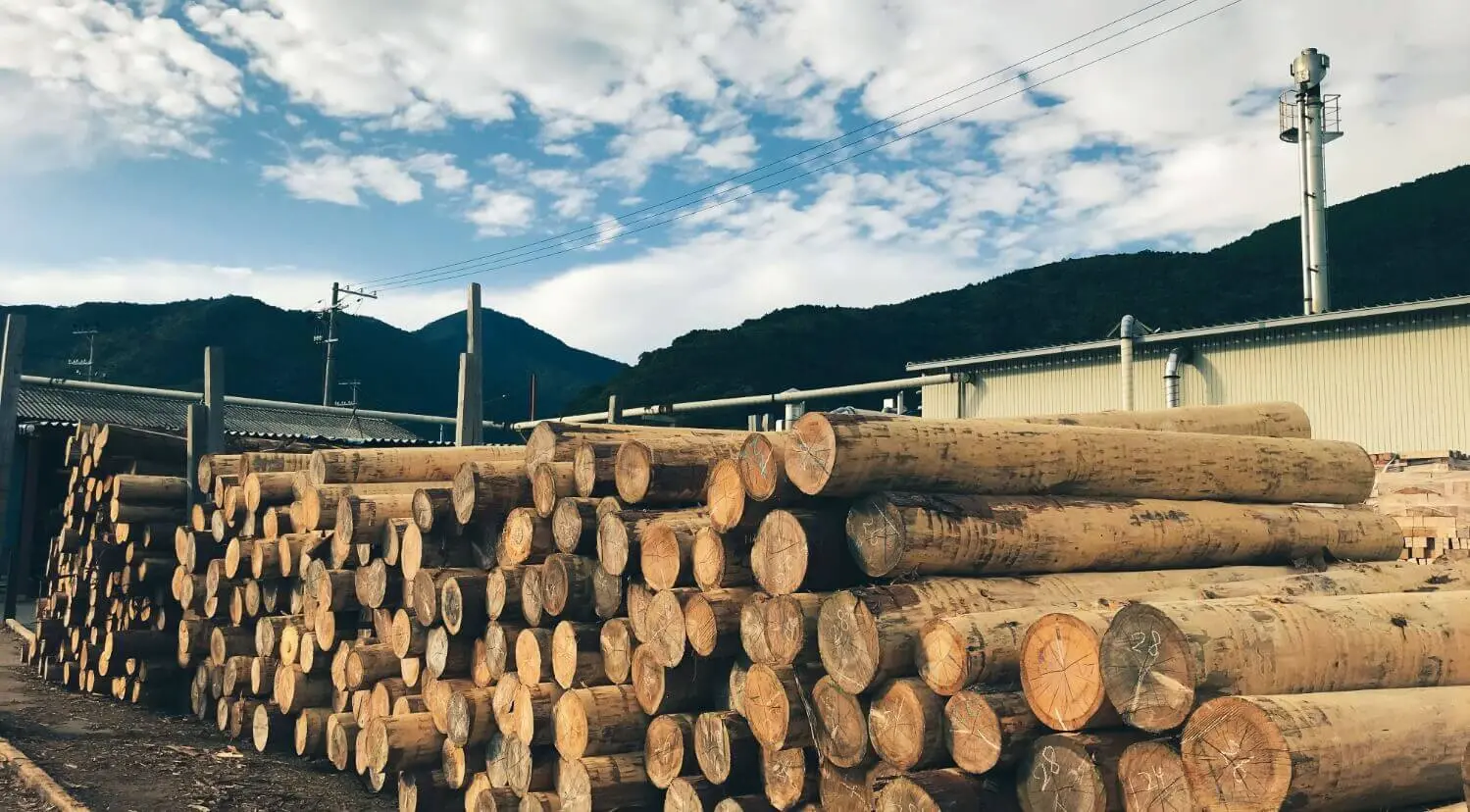
Hinoki logs (Source: 丸紅木材株式会社)
Japanese wood is widely respected both domestically and internationally for its combination of natural properties and careful processing. The reputation of Japanese timber stems not only from native species like Hinoki and Sugi, but also from long-term forest management, traditional craftsmanship and modern processing technologies. This article explains the factors behind that quality and offers practical guidance for selecting Japanese wood for architecture, interior design, furniture, or toys,…
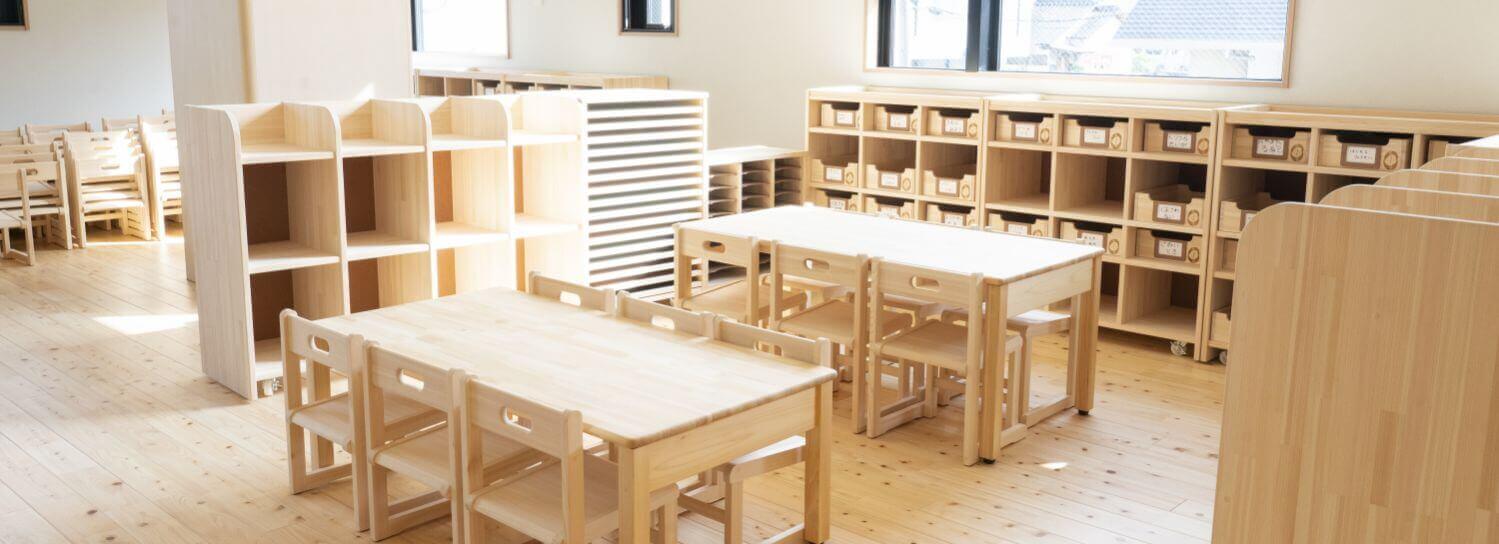
Hinoki Furniture (Source: 丸紅木材株式会社)
1. Forest management: the foundation of quality
A key difference in Japanese timber is how forests are managed. Many Japanese forests are cultivated with a long-term plan, replanting, selective thinning and age-controlled harvesting. Trees that have been grown for several decades provide dense, stable heartwood that performs better in construction and fine woodworking. Responsible management also improves traceability and supports sustainable supply chains.
2. Key species and their practical properties
Hinoki (Japanese cypress) — fine-grained, pale cream to light yellow, naturally fragrant and containing compounds (hinokitiol) linked to antifungal and antibacterial activity. Hinoki is commonly specified for baths, spas, high-end interiors and joinery where aroma, stability and longevity matter.
Sugi (Japanese cedar) — lighter, softer, more pronounced grain. Excellent for cladding, siding, paneling and large-area applications where cost per m² matters; it accepts thermal or surface treatments well (including traditional yakisugi / shou sugi ban)
Other notable species — mizunara (Japanese oak) for furniture and barrels (distinct grain and value), buna/beeches for structural parts, and island cedars (e.g., Yakusugi) with exceptional density and heritage value.
Choose species by function: aroma/wellness → Hinoki; volume/cladding → Sugi; heavy structural or appearance-specific → mizunara/Yakusugi.
3. Processing & surface treatments that create “value”
Japanese mills add value through controlled, repeatable processing steps. When specified correctly these steps reduce risk and improve performance on-site.
-
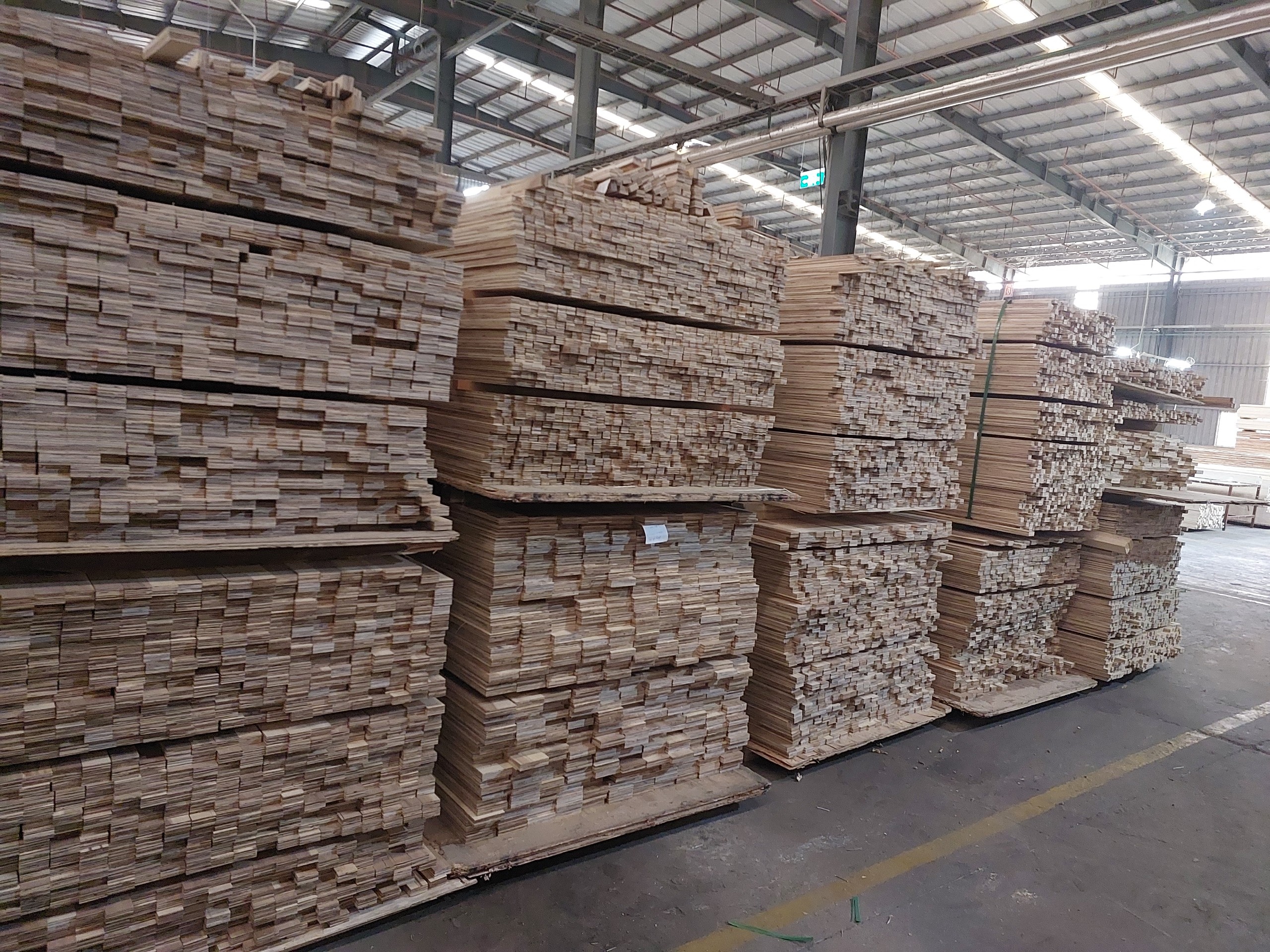
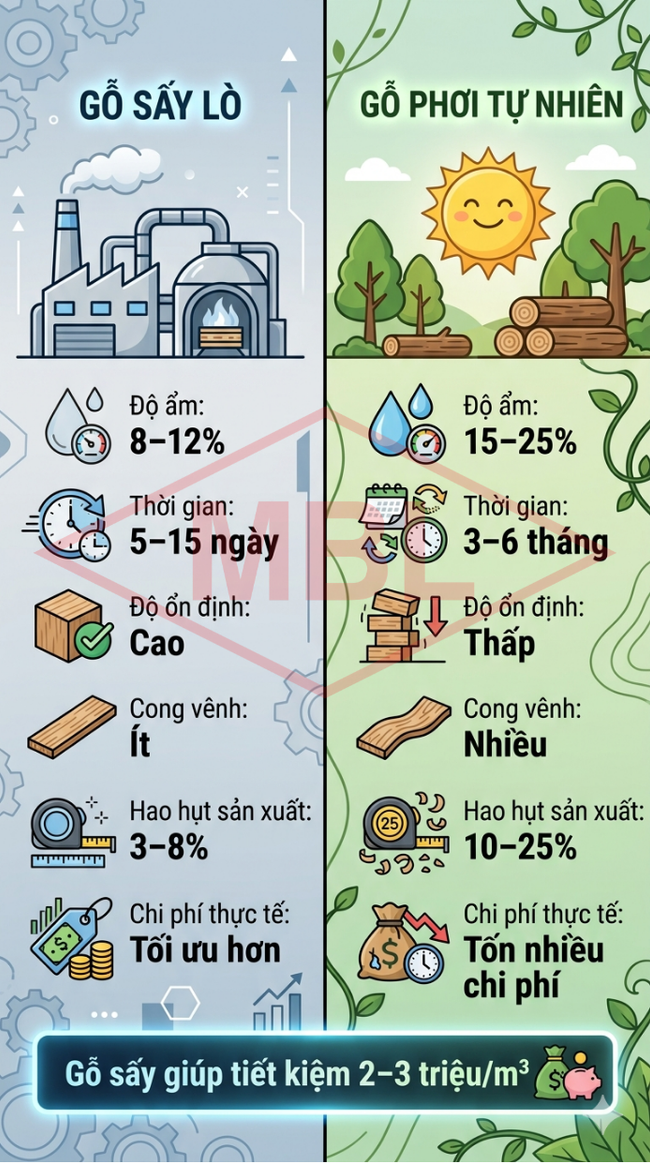
Kiln-drying & MC control. Proper kiln schedules reduce internal stresses and lower movement in service. Target MC depends on end-use (interior vs exterior). Good suppliers document drying schedules and final MC readings.
-
Thermal modification & charring (yakisugi / shou sugi ban). Heat treatments reduce equilibrium moisture content and improve decay resistance without chemical preservatives; traditional yakisugi (charred cedar) also provides a durable exterior finish when done properly. Modern thermal modification (industrial kilns) produces consistent, long-lasting results.
-
Precision milling & finishing. Japanese finishing standards emphasise smooth planing, accurate tolerances and high-quality sanding/finish options — important for visible interiors and tight joinery.
-
Optional chemical/physical treatments. Fire retardants, insect-proof coatings and stabilizers are used to meet code or export needs; documentation of what was applied is essential for procurement and compliance.
4. Durability, seismic context & building practice
Because Japan experiences earthquakes and variable climates, timber construction practices emphasize connection details, cross-lamination or post-and-beam detailing and protective detailing (eave overhangs, ventilated cladding). These practices, combined with appropriate material selection and treatment, produce robust, long-lived timber assemblies suitable for demanding environments.
Notably, many historic Japanese temples and shrines were built from hinoki (Japanese cypress), for example, the ancient wooden buildings at Hōryū-ji and the hinoki-built structures of Ise Jingu, which, together with careful detailing and maintenance, illustrate hinoki’s role in long-lived timber architecture.
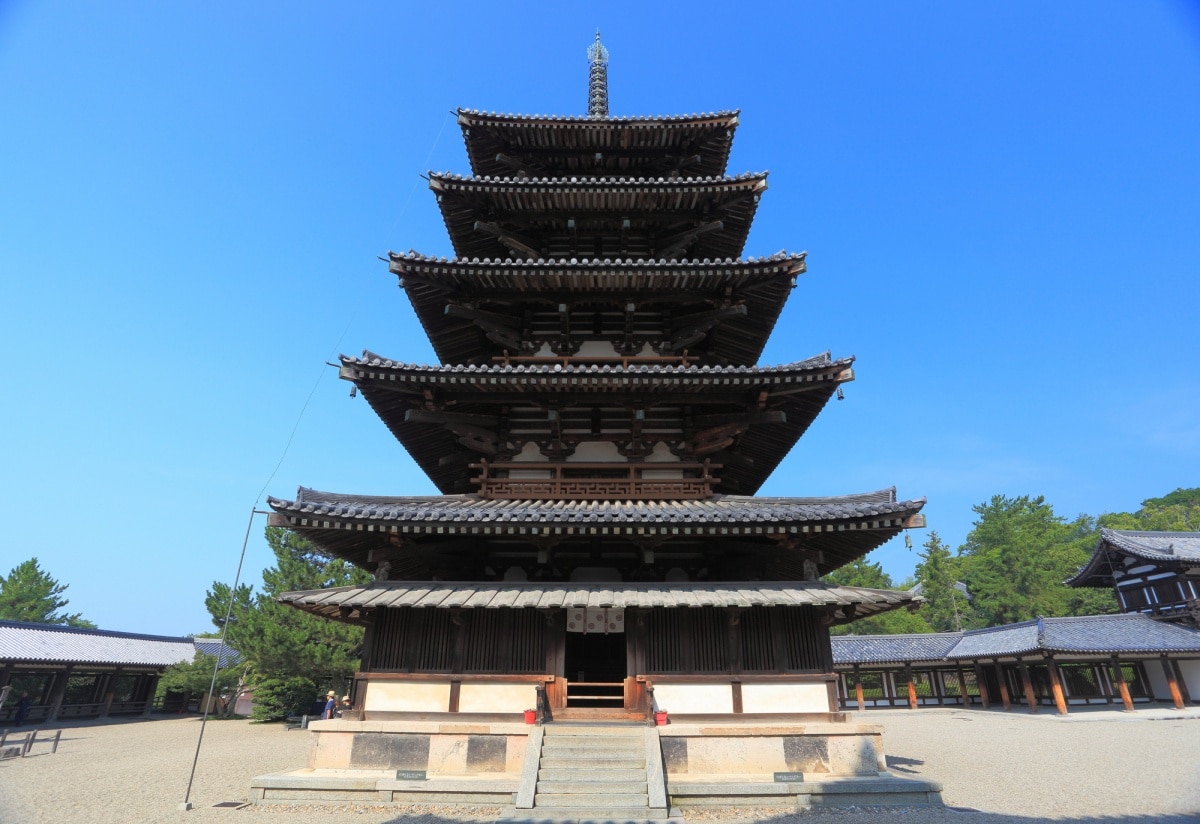
Hōryū-ji Pagoda (Source: All about Japan)
5. Sustainability & ethical sourcing — what to look for
Prefer suppliers who publish forest management plans or who are traceable to community forestry schemes. Japan’s reforestation and thinning programs are part of the reason many stands are maturing now, older plantation stands yield higher quality material.
Consider product life-cycle: long-lived wooden elements often have better overall environmental performance than short-lived alternatives, even if the initial cost is higher.
👉 MBL Vietnam offers Hinoki and Sugi from these sustainably managed forests – high-quality, durable, and ready for your next project. Contact us for more detailed information.
In short, the quality of Japanese wood lies in a full chain, responsible forest management, well-chosen species and exacting processing, which together deliver durable, stable and beautiful timber. For reliable supply, technical specs and samples, contact MBL Vietnam to discuss Hinoki and Sugi options for your next project.